
How testing works
The main lab methods behind a peptide quality report, and what each one can and can't tell you.
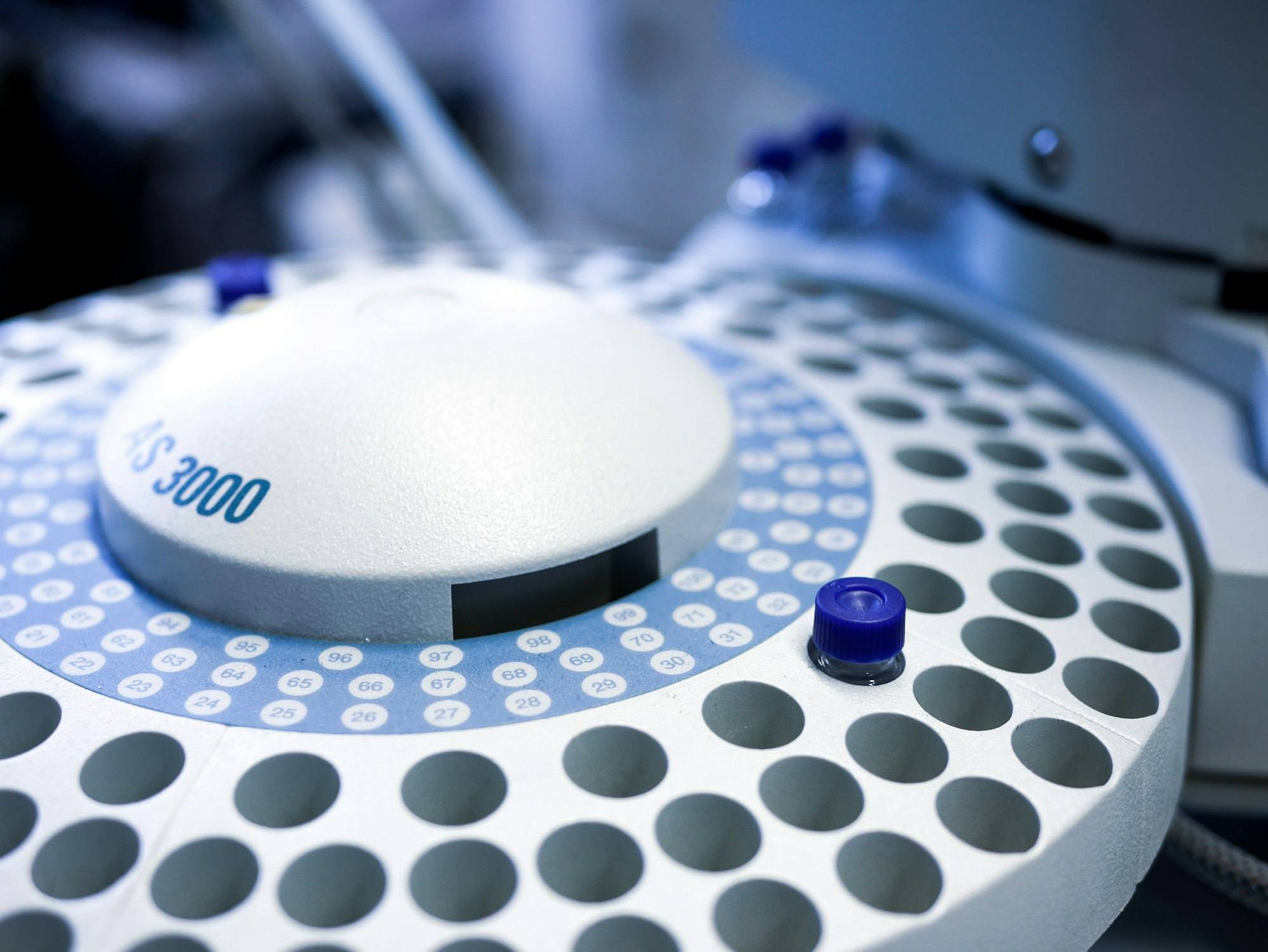
Photo: Julia Koblitz / Unsplash
HPLC: purity
High-performance liquid chromatography pushes a dissolved sample through a column that separates molecules by how they interact with it. The result is a chart of peaks. Purity is the size of the target peptide's peak compared with everything else detected. It's typically reported as a percentage.
What it can't tell you on its own: whether the main peak is actually the right molecule. That's what identity testing is for.
Mass spectrometry: identity
Mass spectrometry (often LC-MS or MALDI-TOF) measures the mass of the molecules in a sample. If the measured mass matches the peptide's expected molecular weight, that's strong evidence the right sequence was made.
Net peptide content: how much is really peptide
A vial of peptide powder isn't 100% peptide. It also contains counter-ions (such as acetate or TFA salts left from manufacturing) and some water. Net peptide content is the share of the powder's weight that is actually peptide. Purity and content are different numbers: a sample can be highly pure and still have meaningfully less peptide by weight than the label amount suggests.
Endotoxin testing
Endotoxins are fragments of bacterial cell walls that can cause fever and inflammation. The standard test (LAL, or Limulus amebocyte lysate) measures them in endotoxin units. Sterility testing is a separate check for live microorganisms.
Heavy metals and residual solvents
Some reports also screen for heavy metals and leftover solvents from manufacturing.
Why third-party testing matters
In-house testing is a seller grading their own work. An independent, accredited lab with no stake in the result, whose report can be verified directly with the lab, is a much stronger signal.