
Know what's in the vial.
How peptide quality is actually measured: purity, identity, and contamination testing, plus how to read a certificate of analysis without getting fooled.
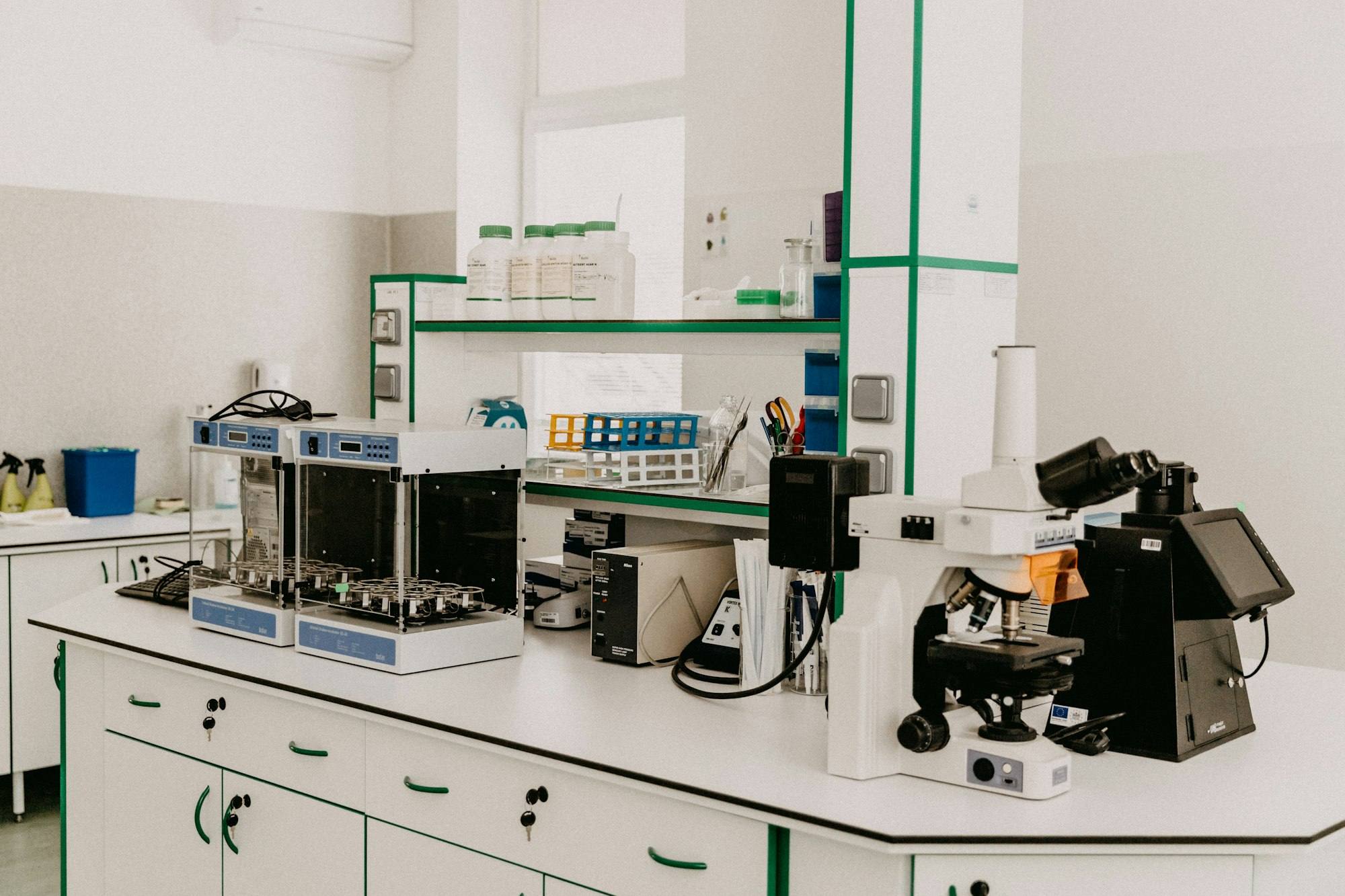
Photo: Trnava University / Unsplash
The four questions testing answers
Certificate of analysis · format
Identity
Is it the right molecule?
Mass spectrometry confirms the molecular weight matches the expected peptide.
Purity
How much is the target peptide?
HPLC separates the sample and measures what share is the intended peptide versus impurities.
Content
How much peptide is in the powder?
Net peptide content accounts for salts and water that are also in every vial.
Contamination
What else is in there?
Endotoxin, sterility, and heavy-metal tests look for things that should never be present.
Start here
- Method
How testing works
HPLC, mass spec, endotoxin testing, and why third-party matters.
Open → - Review
Reading a COA
Every field on a certificate of analysis, and the red flags that should make you walk away.
Open → - Verify
The quality checklist
Ten questions to ask any source, in a printable one-page format.
Open →